Boat Girl T-Shirt: A Designer's Real-World Embroidery Review
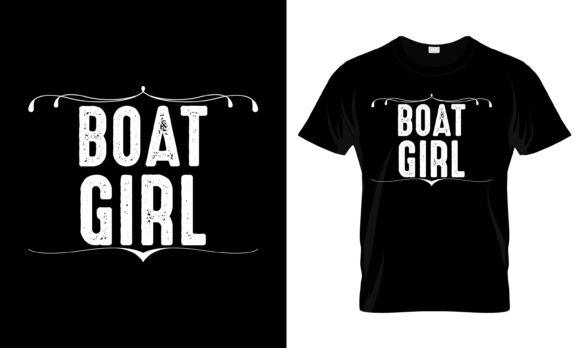
When I first opened the Boat Girl T-Shirt design file, my initial reaction was less about the technical specs and more about the vibe. It immediately screams summer lake house, casual weekends, and that specific kind of relaxed confidence that comes with owning a pontoon boat. As someone who has stitched hundreds of designs for client projects and small business merchandise, I look past the pretty preview image to ask one question: will this hold up under the needle?
This design falls into the Print Templates and Graphics category, which means it is likely optimized for screen printing or digital mockups, but we are here to talk about machine embroidery. The prompt describes it as a "funny Pontooning boating lakehouse top," suggesting a playful tone. For an embroidery designer, that playful tone needs to translate into stitch types that don't get lost in the fabric weave. Let's dive into how Boat Girl T-Shirt performs when moved from a digital canvas to a real-world finished product.
The First Stitch: Visual Personality and Layout
The layout of Boat Girl T-Shirt feels naturally suited for chest placements on custom apparel or center-back statements on sweatshirts. The visual personality is bright and inviting, relying heavily on the theme of boating and lake life. In a physical form, the success of this design depends entirely on how the artist handles the lettering and any nautical elements. If the text is too thin, it risks disappearing into the fabric; if the shapes are too dense, they might pucker the material.
I imagine this design thriving on a light-colored cotton tee or a denim jacket, where the contrast allows the colors to pop. However, the mood shifts slightly depending on the thread colors chosen. Using standard navy and white threads would give it a classic, preppy look, while adding metallic gold or silver accents could elevate it to a boutique-level gift item. The key here is that the design isn't overly complex, which is a huge plus for consistent stitching results.
Real-Life Scenario: The Lake House Gift Project
Let's walk through a practical scenario. Imagine you are preparing a personalized gift for a client's family reunion at a lake house. You decide to create matching embroidered patches for their tote bags or perhaps a custom apron for the outdoor kitchen. This is where Boat Girl T-Shirt shines.
For a tote bag project, the design's aspect ratio works well without needing excessive resizing. You can place it on the front pocket of a canvas bag, creating a focal point that customers will love. The "Captain" or "Dad" references mentioned in the description make it perfect for personalized gifts. When a customer sees their father's name stitched next to a boat motif, the emotional connection is immediate. This boosts the perceived value of your handmade product significantly.
However, consider the texture of the fabric. Canvas is sturdy, but a soft terry cloth towel or a lightweight linen pillow cover presents different challenges. On a tea towel, the design needs to be robust enough to withstand frequent washing. If the stitch density is too high, the towel might feel stiff and lose its absorbency. In this case, I would recommend testing the design on scrap fabric first to ensure the stitch density aligns with the intended use.
Navigating Fabric Challenges and Hoop Sizes
Not every surface is created equal, and Boat Girl T-Shirt requires careful consideration when applied to tricky materials. If you plan to use this design on stretchy fabrics like jersey knit for baby clothes or fitted tees, you must use a cutaway stabilizer to prevent distortion. The design might not have the inherent stability needed to sit flat on a stretching garment without extra support.
Curved surfaces like caps and hats are another area where caution is needed. While the design looks great on a flat surface, transferring it to a curved brim can alter the proportions. If the design includes small details or tiny lettering, these elements often get compressed or distorted on the curve of a hat. For a cap project, I would advise checking the hoop size compatibility and potentially simplifying the smallest details to ensure they remain legible after stitching.
Dense stitch areas can also be problematic on thin fabrics. If the design features large blocks of fill stitch, applying it to a sheer fabric or a delicate shirt collar could result in visible puckering. In these instances, switching to a lighter running stitch outline or reducing the fill density might be necessary to maintain the integrity of the garment. Always inspect the design file to see where the heavy stitching occurs before committing to the final production run.
Impact on Brand Consistency and Customer Trust
For Etsy sellers and small shop owners, the quality of the embroidery directly correlates to customer trust. A sloppy stitch job can ruin even the most adorable design. Boat Girl T-Shirt offers a clean, recognizable silhouette that, when executed correctly, signals professionalism. Customers buying from a craft business expect high-quality finishes. If the design is crisp, the colors are vibrant, and the edges are clean, it reinforces the brand's reputation for excellence.
Furthermore, the design's versatility allows for cohesive branding across multiple products. You can use the same embroidery file for a patch, a tote bag, and a nursery decor item, creating a unified look for your collection. This consistency helps buyers recognize your style instantly. Whether you are selling holiday gifts, wedding favors, or commercial embroidery for local businesses, having a reliable design asset like this streamlines your workflow and enhances your product line.
Practical Designer Notes for Execution
Before you hit the start button on your machine, there are several critical steps to take. First, review the thread colors available in your palette. The digital preview might show neon greens or bright yellows that do not exist in standard embroidery thread lines. Choose colors that complement each other and stand out against your target fabric.
Second, test the design in black and white mockups. Sometimes, a design looks colorful and lively on screen, but when converted to grayscale, the contrast levels flatten, making the text hard to read. This is especially important if you plan to offer the design on dark fabrics where light thread is used.
Third, confirm the licensing terms. The product description mentions SVG, EPS, and PNG files, which are excellent for print-on-demand or digital assets. However, if you intend to sell finished physical items (like embroidered shirts), you must verify that the license allows for commercial use. Some designs are for personal use only, and selling them could lead to legal issues. Always check the fine print regarding commercial embroidery rights.
Finally, pay attention to the small details. If the design includes intricate waves or small text, zoom in and inspect the corners. Are they sharp? Will they stitch cleanly? If the details are too fine, consider merging them with larger shapes or adjusting the digitization settings to ensure clarity. Proper stabilizer usage is non-negotiable; always match the stabilizer weight to the fabric weight to avoid warping.
Final Thoughts on Design Assets
Boat Girl T-Shirt is a versatile addition to any designer's library, particularly for those focusing on lifestyle themes like boating, lakes, and summer fun. Its strength lies in its clear concept and potential for customization. Whether you are creating a single personalized gift for a grandpa or a bulk order for a boutique, this design provides a solid foundation for a successful project.
By approaching the digitization process with care—testing on scraps, managing stitch density, and selecting the right fabrics—you can transform this digital graphic into a stunning tangible product. It serves as a reminder that while the file format matters, the execution by the human hand is what truly makes a piece special. For creative entrepreneurs looking to expand their design assets, this is a practical choice that balances aesthetic appeal with manufacturing feasibility.